
The Basics
What is Average Handling Time?
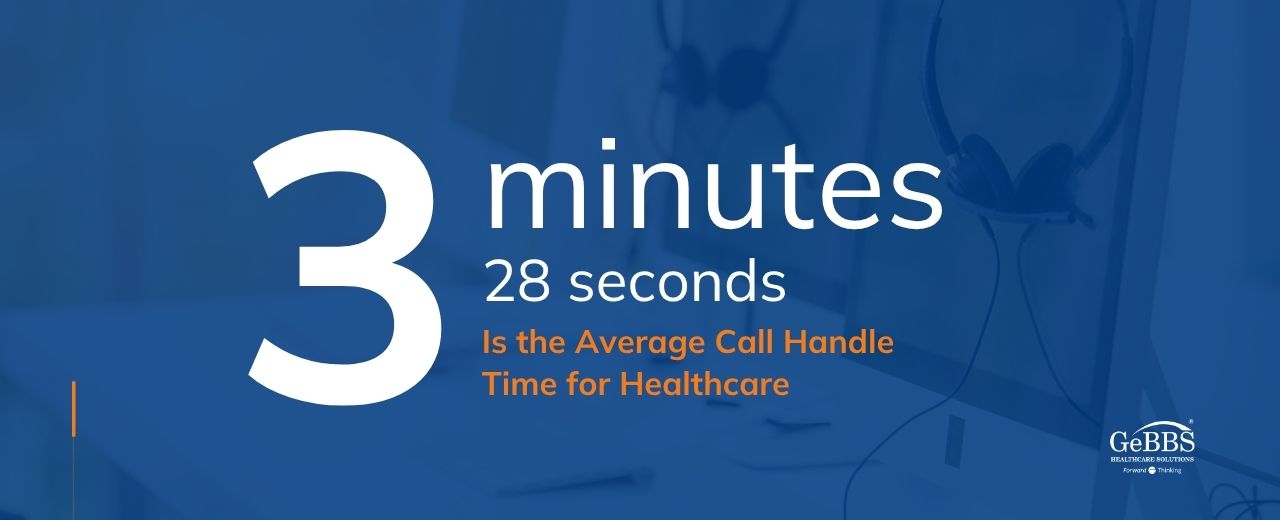
Average Handle Time (AHT) is an essential performance metric in call centers and patient support operations. It represents the average time an agent spends on a patient interaction — from when the patient initiates contact until the appointment is booked, the issue is resolved, or the conversation ends. AHT is typically measured in minutes and seconds.
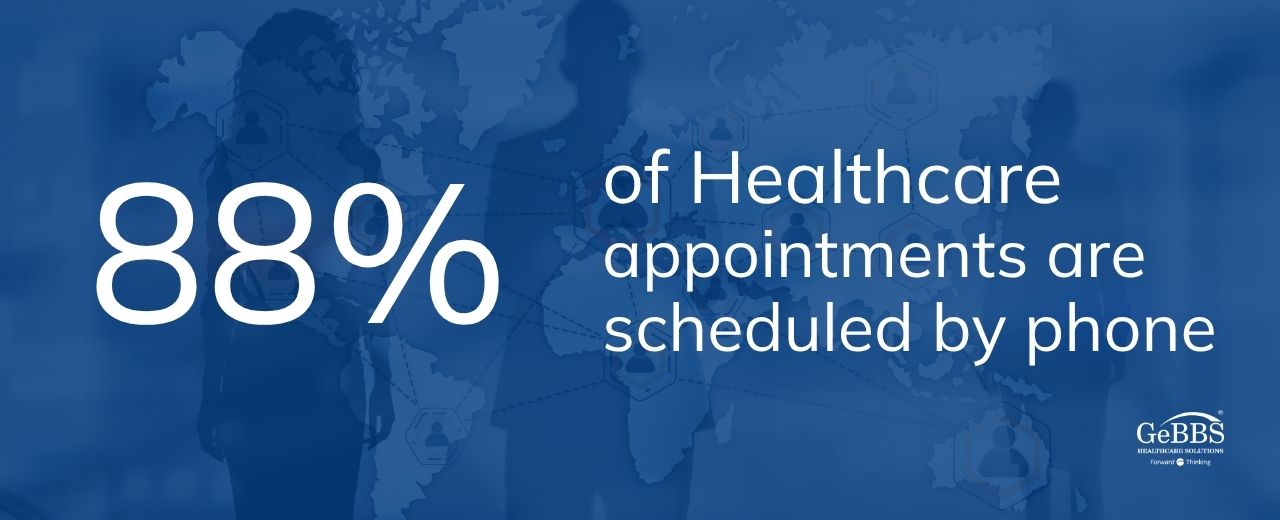
Patient interaction takes time.
Phone remains the preferred appointment scheduling method for patients. When patients call in to schedule appointments, they interact with healthcare staff who help them choose suitable dates and times. These conversations can be time-consuming, especially when specific preferences or questions enter the equation.
This direct human interaction makes it hard to measure Average Handling Time in Healthcare Centers.
Factors Affecting Call Handling Time
Understanding the factors that influence AHT is essential for optimizing patient interactions.
Appointment Complexity
The nature of patient appointments plays a significant role in determining AHT. A simple radiology study will take less time to schedule than a mammography or CT scan. Centers must categorize calls and have specialized schedulers to efficiently handle different types of appointments.
Scheduler Training
The proficiency of the schedulers is a crucial factor. Specialized schedulers handle calls more efficiently, with a better understanding of studies and patients' needs, plus quicker problem-solving skills. Investing in training and ongoing development can help improve AHT over time.
Call Volume and Staffing
Call volume fluctuations can impact AHT. High call volumes can lead to longer wait times and, consequently, longer AHT. Adequate staffing and resource allocation are essential to manage call volume effectively.
Technology and Tools
The tools and technology available to agents can significantly impact AHT. Modern CRM systems, knowledge bases, and automation tools can streamline processes, reducing the time agents spend searching for information or performing repetitive tasks.
Questionnaires and Phone Tree Systems
The design of call questionnaires and phone trees can influence AHT. Well-structured questionnaires guide patients and schedulers through interactions efficiently. However, overly rigid scripts can hinder agents from adapting to unique patient needs.
Quality Assurance
Regular monitoring and feedback through quality assurance programs can help identify areas for improvement in call-handling processes. By addressing performance issues promptly, centers can optimize AHT while maintaining service quality.
How to Calculate Average Handling Time
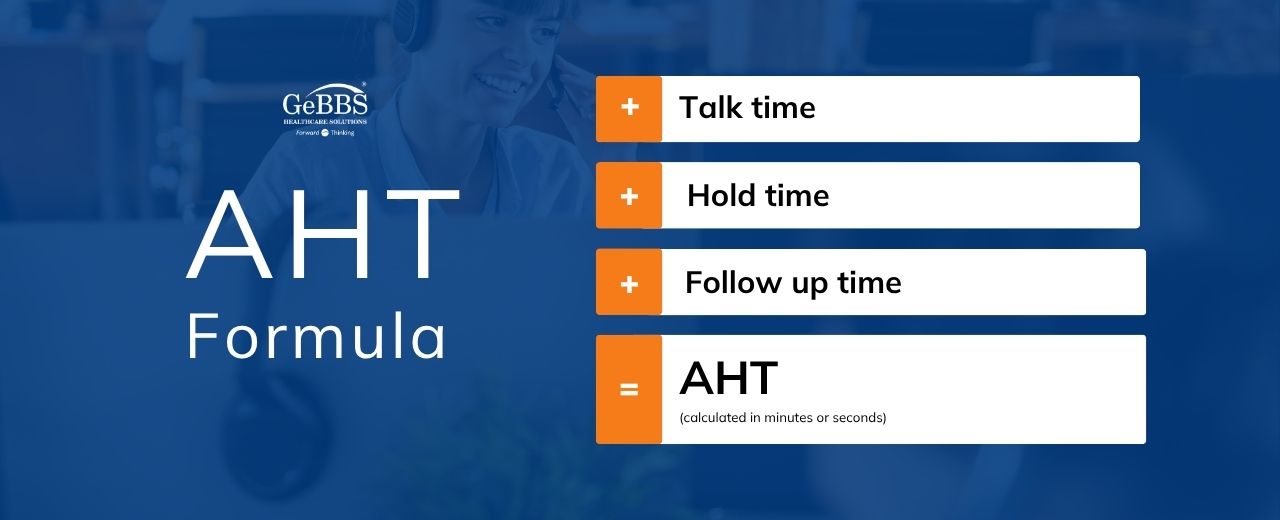
Calculating AHT involves breaking down the time spent on each aspect of a patient interaction — including talking to the patient and any post-call tasks.
Example Calculation
Total Talk Time: 800 min | Hold Time: 150 min | After-Call Work: 50 min | Calls: 40
AHT = (800 + 150 + 50) ÷ 40 = 25 minutes per call
Start by selecting the time period you want to calculate AHT — an hour, a day, a week, or any other relevant time frame.
Total Talk Time is when an agent communicates with a patient during a call. It does not include hold time or time spent on post-call work.
Total Hold Time is the cumulative time a patient is on hold during a call. This time should be added to the Total Talk Time.
After-call work time is the time agents spend on tasks related to the call after it has ended — logging the call, updating records, or preparing for the next call.
Add Total Talk Time, Total Hold Time, and Total After-Call Work Time together, then divide by the number of calls handled during the chosen time period.
What is Considered a Good Average Handling Time?
A lower AHT indicates that calls are being handled more efficiently, which can be positive. However, it is essential to strike a balance between efficiency and quality of service. Extremely low AHT may imply rushed interactions and unsatisfactory patient experiences.
Additional Analytics to Measure Effective AHT
Several additional metrics can help you gain deeper insights into your Healthcare Center's AHT and ultimately enhance your patient support performance.
First Call Resolution (FCR) Rate
Measures the percentage of inquiries resolved during initial contact. A high FCR rate positively impacts AHT — fewer callbacks mean shorter overall patient journeys.
Average Wait Time
The duration patients spend waiting before speaking with a representative. Reducing wait time contributes to lower AHT as satisfied patients tend toward shorter conversations.
Average Call Queue Length
The number of patients waiting in the queue. Monitoring this ensures you have the right number of agents available to maintain reasonable AHT at all times.
Cost Per Call
Understanding Cost Per Call provides insights into support efficiency. Balance cost reduction through lower AHT with delivering high-quality patient experience.
Customer Satisfaction Score (CSAT)
Direct measure of patient satisfaction. Correlating CSAT scores with AHT identifies whether shorter call durations positively or negatively impact satisfaction levels.
Net Promoter Score (NPS)
Gauges patient loyalty and willingness to recommend your services. Assess whether lower AHT affects NPS — overly rushed interactions may lower loyalty scores.
Customer Survey Responses
Collecting and analyzing survey responses provides nuanced insights into the relationship between AHT and satisfaction — highlighting areas where improvements are needed.
Number of Missed Calls
Missed calls can result from focusing on reducing AHT at the expense of service quality. Monitor missed call rates alongside AHT to strike the right balance.
Total Call Volume
Understanding Total Call Volume in relation to AHT helps forecast demand accurately — ensuring resources are in place during peak call times.
How to Reduce Average Handling Time
Improving AHT has significant advantages — higher patient retention rates, reduced staff turnover, improved team efficiency, and decreased operational expenses. These strategies reduce AHT without overloading call center agents or compromising patient support quality.
🔍 Audit Your Current Processes
- Identify bottlenecks and inefficiencies in customer service workflows
- Implement automation for repetitive tasks and data entry
- Standardize procedures for issue resolution across all agents
👥 Train Your Staff
- Invest in ongoing training programs on latest tools and techniques
- Enhance agents' communication and problem-solving skills
- Foster a culture of continuous learning and improvement
📚 Implement Knowledge Bases
- Maintain a robust knowledge base for quick agent reference
- Promote self-service options for patients to find solutions independently
- Keep knowledge base updated with latest procedures and policies
📞 Call Routing and Queuing
- Implement intelligent call routing to connect patients with the most qualified agent
- Continuously monitor call queues to ensure minimal wait times
- Use skills-based routing for specialized appointment types
📊 Use Real-Time Analytics
- Track AHT in real time and make immediate adjustments as needed
- Analyze AHT data to identify recurring issues
- Implement long-term solutions based on data-driven insights
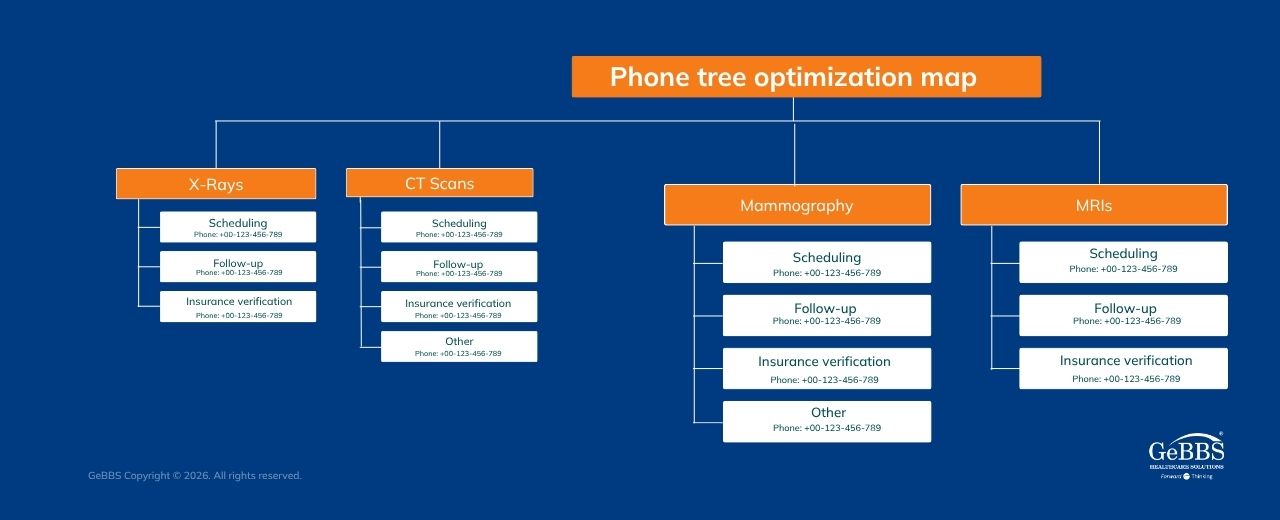
🌳 Optimize Your Phone Tree
- Analyze common patient inquiries and tailor the phone tree accordingly
- Continuously evaluate and refine based on user feedback
- Update seasonal prompts with relevant information
- Ensure all prompts are functioning correctly
Patient Experience and Call Resolution
Patient experience and call resolution go hand in hand. When patients contact a healthcare facility, they seek assistance, guidance, and most importantly empathy. Call resolution strategies impact how patients perceive their healthcare journey, affecting their overall satisfaction.
Using Empathy
Empathy forms the foundation of exceptional patient experiences. Call center agents who display empathy create a positive impression and foster trust. Patients want to feel heard, understood, and valued.
Understanding Patient Concerns
Agents should actively listen to patients, allowing them to express concerns without interruption. This empathetic approach helps comprehend the issue fully.
Empathetic Responses
Agents should respond with compassion and reassurance, acknowledging the patient's emotions. Simple phrases like "I understand" or "I'm here to help" make a significant difference.
Personalized Communication
Treat every patient as an individual with unique needs. Personalize interactions by using the patient's name and addressing their specific concerns.
First Call Resolution
First Call Resolution (FCR) is a crucial metric for measuring call center efficiency. It refers to resolving a patient's query or issue during their initial call, without the need for follow-ups. Achieving high FCR rates positively impacts patient experience and satisfaction.
- 📖Comprehensive Training
Ensure call center agents are well-trained and knowledgeable about healthcare procedures, policies, and common patient queries.
- ⚙️Advanced Tools
Equip agents with advanced software and tools that provide quick access to patient records and relevant information.
- 🔄Streamlined Processes
Implement efficient call routing and escalation procedures to quickly minimize wait times and resolve issues on the first contact.
Post-Call Follow-Up
The patient's experience continues after the call. Post-call follow-up is a crucial step in maintaining patient satisfaction.
Timely Responses
Address any unresolved issues or questions after the first call promptly — this shows commitment to patient care and builds long-term trust.
Survey Feedback
Collect patient feedback through surveys to gauge satisfaction levels and identify areas for improvement in both AHT and call quality.
Continuity of Care
Ensure patients receive consistent care by maintaining detailed records and sharing information with relevant healthcare providers throughout the care journey.
AHT Reduction Checklist
Remember that reducing average handling time should never compromise the quality of patient care. Balancing efficiency with patient satisfaction and safety is key to success in healthcare centers. Regularly revisit and update this checklist to ensure ongoing improvements.
- Evaluate Current Workflows
- Collaborate with staff to gather insights and suggestions for improvement
- Implement process improvements to streamline tasks and reduce unnecessary steps
- Staff Training and Development
- Provide ongoing training to healthcare professionals and support staff
- Ensure staff is proficient in using healthcare management software and tools
- Foster a culture of continuous learning and improvement
- Standardized Documentation
- Implement standardized templates and forms to reduce documentation time
- Ensure accurate and concise documentation practices to avoid errors and rework
- Patient Education and Engagement
- Educate patients about the importance of preparedness for appointments
- Encourage patients to bring relevant documents and information to appointments
- Appointment Scheduling and Management
- Optimize scheduling practices to minimize wait times
- Utilize reminder systems to reduce no-shows and late arrivals
- Data Analysis and Performance Metrics
- Monitor and analyze key performance indicators (KPIs) related to AHT
- Use data-driven insights to make informed decisions and improvements
- Benchmarking and Best Practices
- Research and adopt best practices from other successful healthcare centers
- Benchmark your center's performance against industry standards
- Flexibility and Adaptability
- Be open to adjusting processes as healthcare needs evolve
- Stay current with regulatory changes and adapt as necessary
Optimize Patient Scheduling with GeBBS
GeBBS provides dedicated healthcare contact center services that help you reduce AHT, improve patient satisfaction, and streamline your scheduling operations.